(Quality and resolution has been significantly lowered so that it would allow me to upload the images)
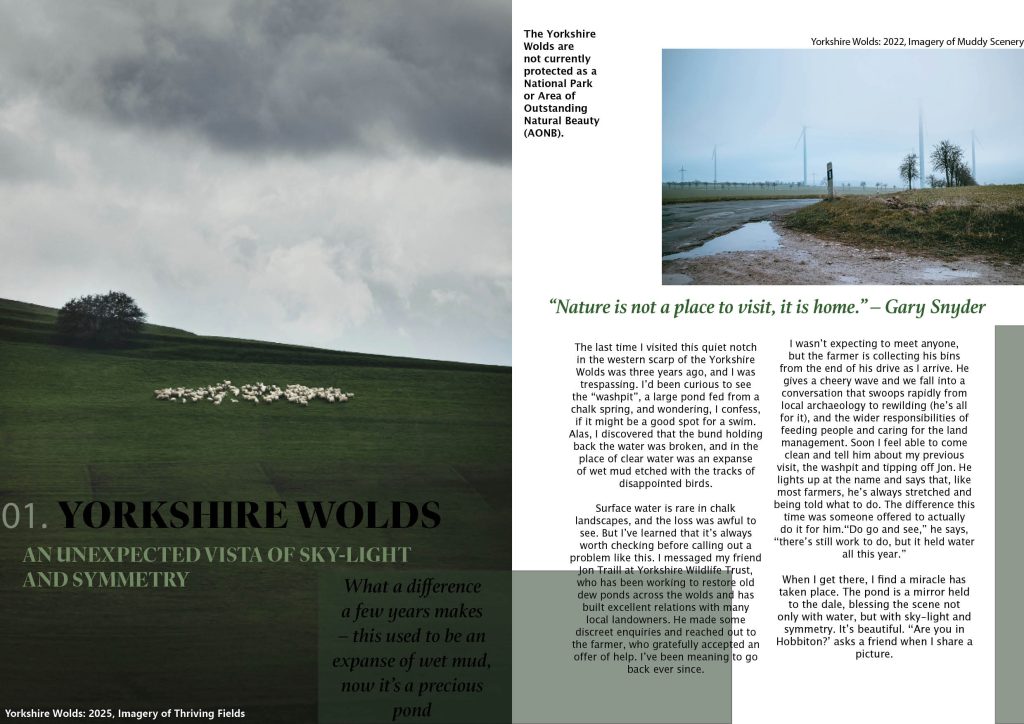
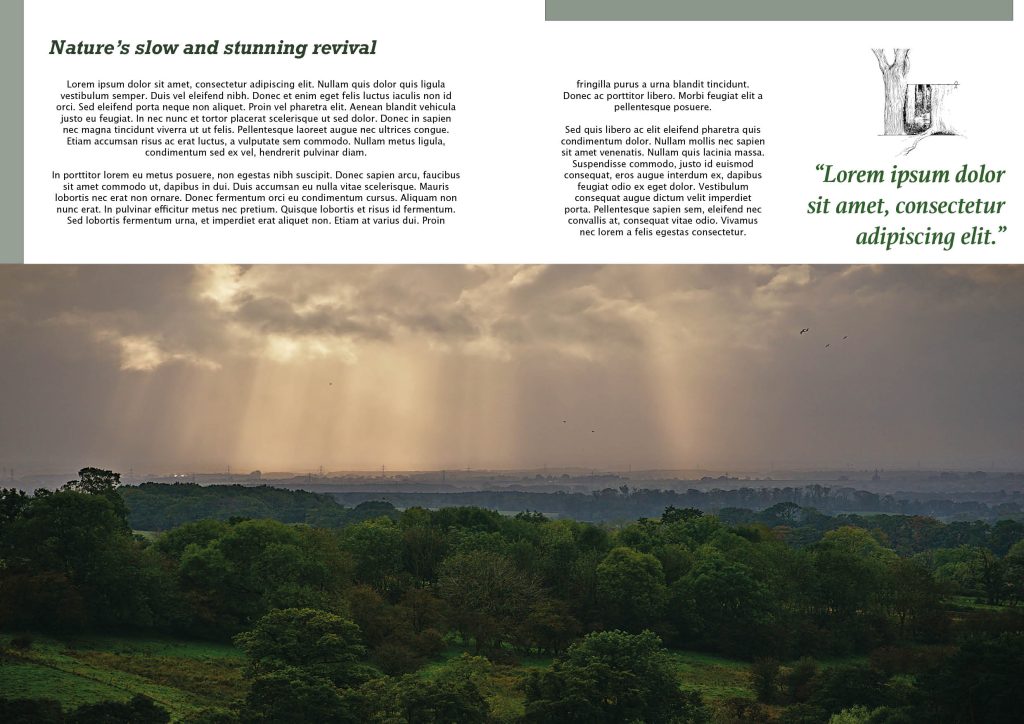
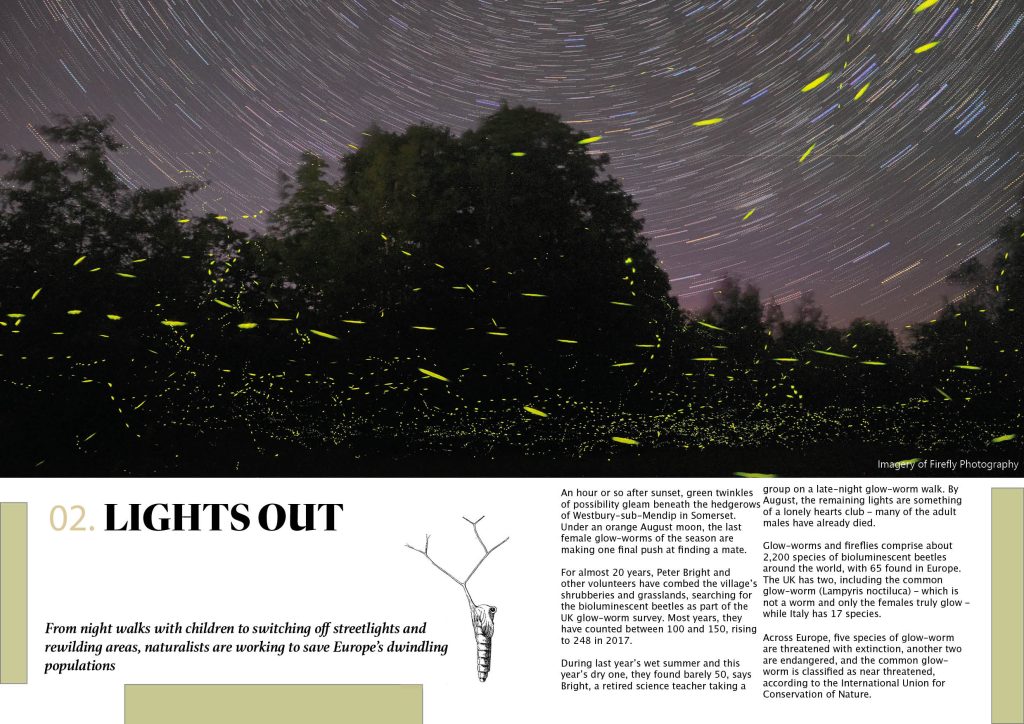
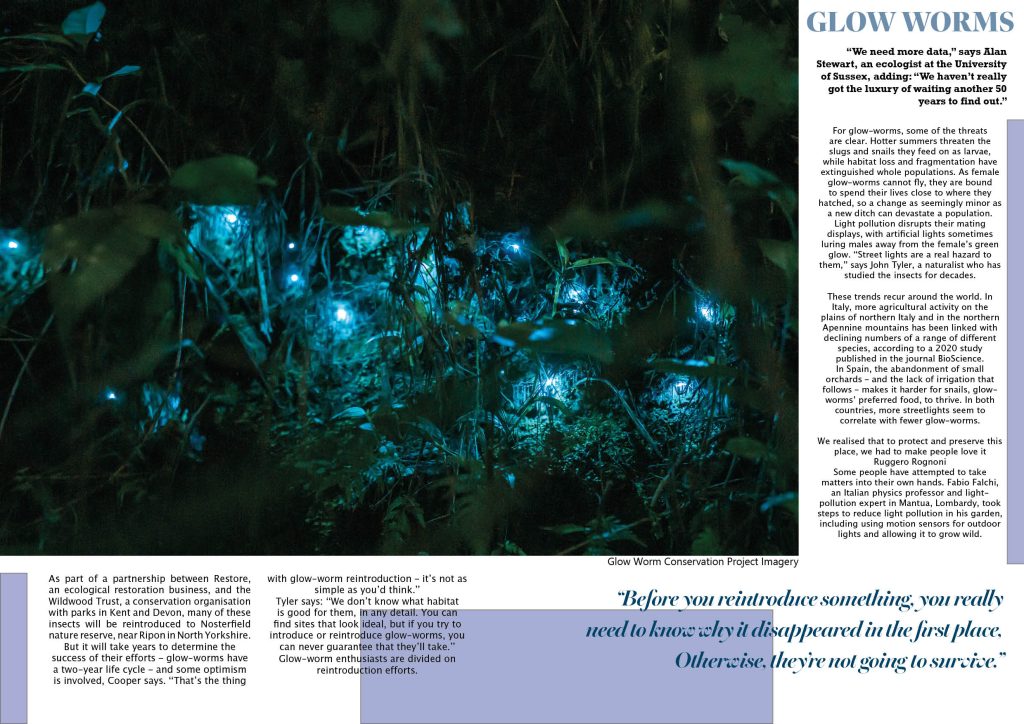
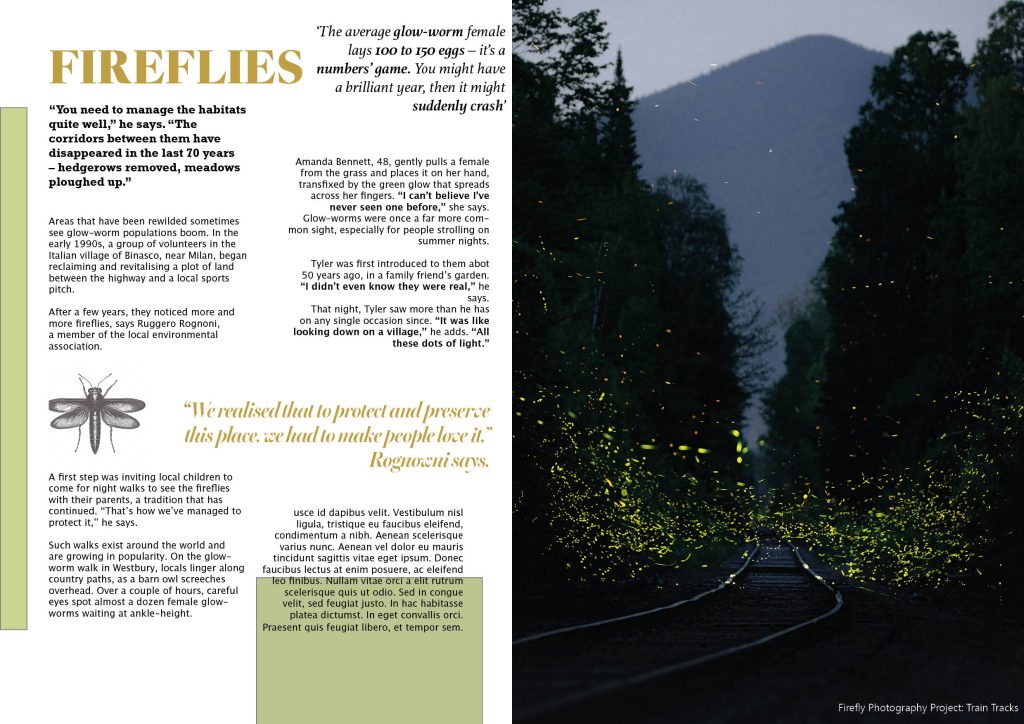
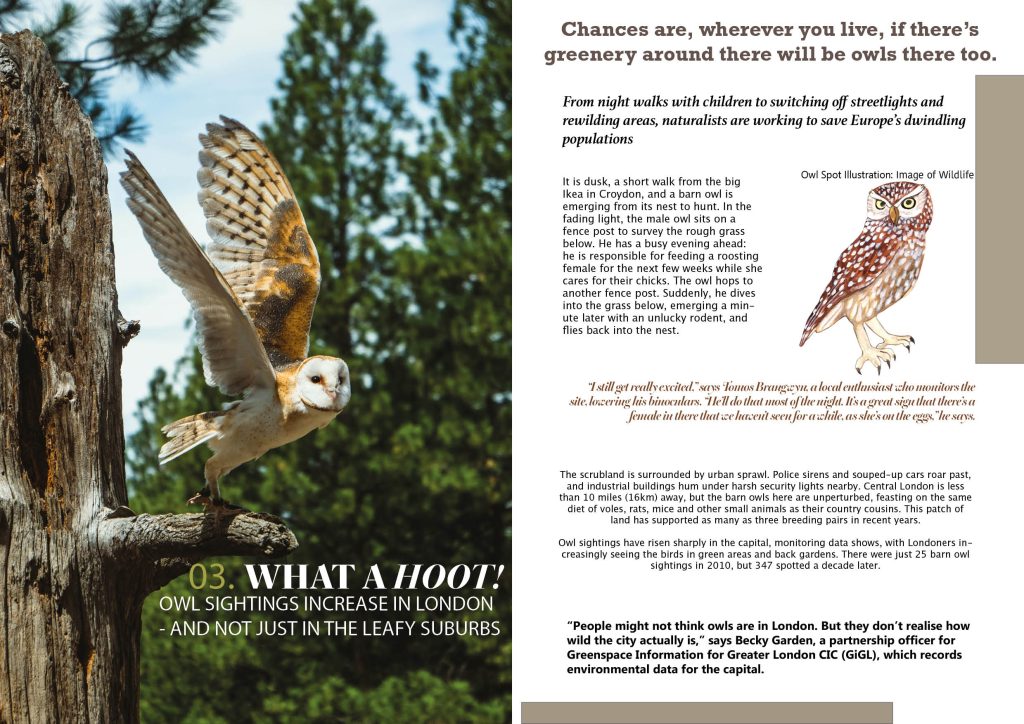
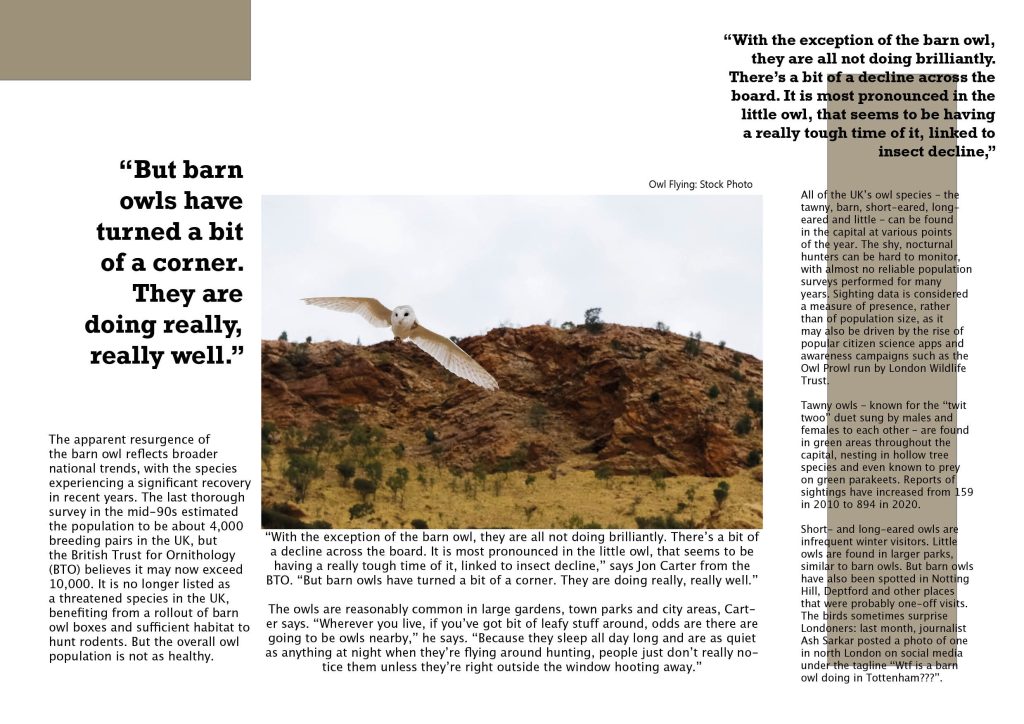
I designed seven double page editorial information spreads for The Weekend magazine, covering three articles that varied in subject matter and content length. Throughout the design process, I focused on creating layouts that were structured, readable, and visually engaging, while still allowing flexibility depending on the needs of each article. My main priority across all spreads was establishing a clear hierarchy, ensuring that the headline and main image were the first elements to catch the reader’s attention. This helped create a strong entry point into each article and made the content feel accessible and well organised.
Typography played a key role in supporting both legibility and readability. I deliberately kept the body text simple and consistent across all spreads, using ‘Lucida Grande’, as this made longer articles easier to read and more comfortable for the magazine’s older target audience. I also increased spacing where necessary, particularly in text-heavy spreads, to prevent the layouts from feeling dense or overwhelming. Typeface contrast was used to clearly differentiate between text elements, with bold and display typefaces used for headlines and pull quotes, and a more neutral typeface used for body copy. This contrast helped strengthen the visual hierarchy, allowing readers to quickly understand the structure of the page.
The flow of each spread was carefully considered to guide the reader naturally through the content. In most cases, the reader’s eye is led from the image to the headline and then into the body text, following a logical and familiar reading path. This was especially important in image-led introductory spreads, where large visuals were used to draw attention before transitioning into more text-focused layouts in later pages. Pull quotes were placed strategically to break up text and maintain visual interest while supporting this reading flow.
Compositionally, the spreads were designed to feel balanced but asymmetrical. While I worked with a consistent two-column grid and maintained the same margins throughout, I did not strictly follow the grid at all times. Allowing certain elements, such as images or headlines, to move across columns or into margins helped create variation and prevent the layouts from feeling repetitive. This approach also supported the use of negative space, which I intentionally included to avoid clutter and give both text and images room to breath; negative space was particularly important in both text-heavy and image-led spreads, as it improved clarity and strengthened overall composition.
Accessibility was a key consideration across all designs. I ensured that there was sufficient contrast between text and background colours so that all content remained readable, particularly when text was placed over images. Font sizes were kept at readable levels throughout, and decorative type was limited to specific elements such as pull quotes, ensuring it did not interfere with people being able to understand it. From draft to final designs, the spreads became more refined, with improved spacing and stronger compositional decisions that added personality while maintaining clarity.
Overall, the final editorial spreads demonstrate a clear progression from initial drafts to more resolved designs, showing increased confidence in hierarchy, composition, and typographic choices. The layouts successfully balance structure with flexibility, resulting in spreads that are readable, engaging, and appropriate for The Weekend’s audience and content.
Leave a Reply