The University of Hull was founded in 1927 and was originally built because of local MP Thomas Feren’s financial gift of £250,000 and 18 acres of land. Since then, it has developed into a thriving university with over 14,000 students from across the UK and internationally. An important moment in its history was when the University was granted its royal charter in 1954, making it the 14th oldest university in England.

The University has played an important role in the local community for almost 100 years by contributing to the drive of local growth by investing millions into the economy, and it acts as a tourism magnet. The University doesn’t only benefit the local area, it also has impacts on the region by supporting thousands of regional jobs and serves as an economic hub. Internationally, it can be seen through its dedication to tackle global challenges and partnering with cross boarder institutions spanning across the world.
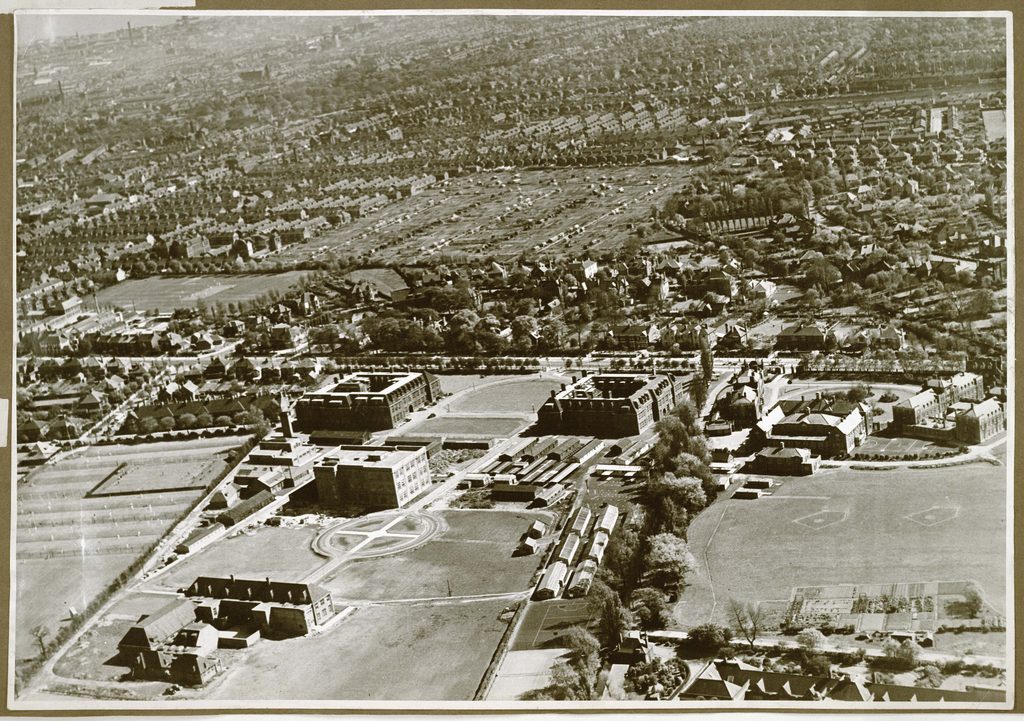
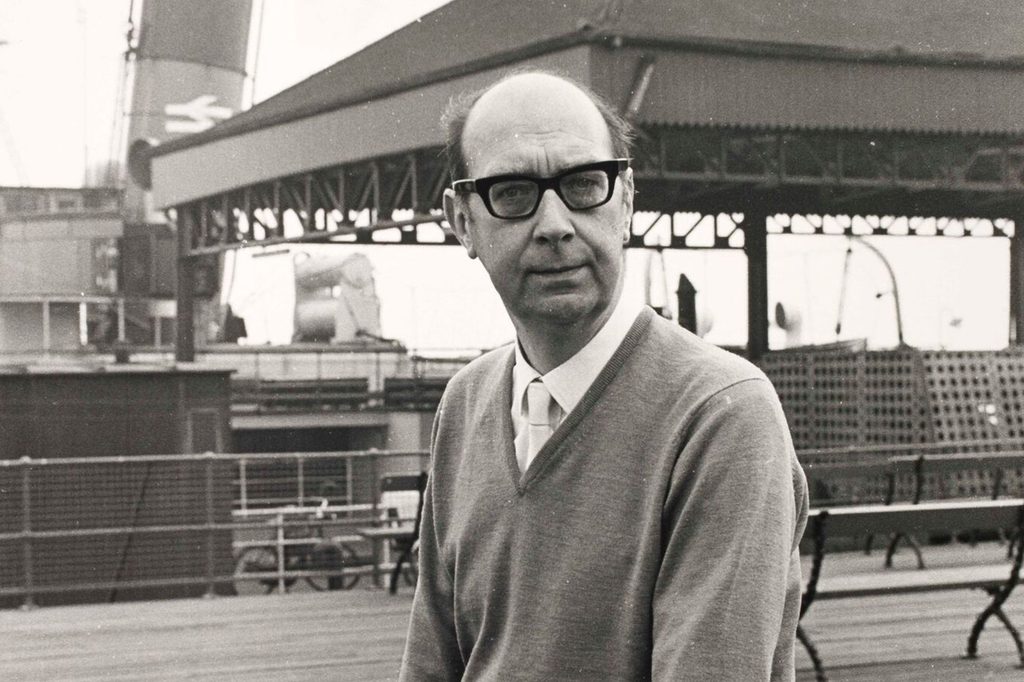
What makes the Unuveristy of Hull distinctive is its approach to learning and its unique architectural layout of its campus. The University campus has everything located within a 10 minute walking distance of each other, making learning more accessible. Hull’s alumni, including renowned post-war poet Philip Larkin, have made and continue to make a great impact on the institution and the city itself. His legacy reflects the city’s heritage and the role that the university has played in supporting education and the arts.
My initial ideas for the centenary campaign are inspired by the history of the institution where I can focus on the beginning and the progress that Hull University has achieved rather than where it is at now. I want to look at the visual architecture of the first buildings on the campus and look specifically at features of them that was influenced by the past, such as the neo-georgian style choices and compare them to what the newer buildings look like. I could explore the archival photographs including the original building plans, old typography, and colour palettes to commemorate the University’s heritage. Its identity should reflect the University’s value of shaping a better future for everyone. I want my campaign to engage primarily with students and academics, including alumni and future students too; I’d like for my campaign to help everyone learn at least one new thing about where they study and allow them to learn how far the university has come over the past 100 years.
Bibliography
(Images in chronological order)
Hull Live (24 Feb 2024)- The main entrance at the University Of Hull – 1989 (Image: Hull Daily Mail archive) Available at:
People and places around the Hull area 35 years ago in 1989 – Hull Live –
Accessed 26 October 2026
WordPress Site (3 August 2021)- Available at:
Accessed 26 October 2026
The Poetry Foundation (29 October 2009)- The British Library Board FG1891-2.31: Available at:
Philip Larkin: “An Arundel Tomb” | The Poetry Foundation
Accessed 26 October 2026
(Researched Websites)
Wikepedia (Last Edited 19 October 2026)- University of Hull Available at:
University of Hull – Wikipedia
Accessed 29 September 2026
Hull University Site- Available at:
Unsame Old Story | University of Hull
Accessed 29 September 2026
Hull History Centre- University Archives- Available at:
University Archives: Introduction | Hull History Centre
Accessed 30 September 2026
Wikepedia- Thomas Ferens-Available at:
Accessed 29 September 2026
Leave a Reply